By 2026, the average smartphone user will spend over 70 minutes daily on multiplayer mobile titles. That time is reshaping how we connect, replacing some face‑to‑face chats with real‑time co‑play.
Instant Matchmaking in the Palm of Your Hand
Modern matchmaking algorithms now match players within 3 seconds of tapping “Play.” In 2024, Clash Royale reported a 30 % drop in queue times after a backend overhaul, showing how fast tech can reduce friction. The result? Friends who once had to wait in line at a café can jump into a match together on the train.
Cross‑Platform Social Layers
Games like Mario Kart Tour let you invite a friend’s PC account to a mobile race. The cross‑play feature, introduced in 2025, means that a friend who only has a console can still compete with you on the go. This blurs device boundaries and keeps social circles intact across platforms.
Community‑Built Content and Live Events
In 2026, over 40 % of mobile games will host user‑generated levels, thanks to in‑game level editors. Roblox Mobile has already seen a 12 % rise in user‑created content since its 2023 update. Live events—time‑limited raids or themed story arcs—run on a global clock, allowing friends in different time zones to sync up for the same experience.
Social Commerce Inside the Game
Virtual marketplaces are now a social activity. Players can browse, negotiate, and trade items in real time, often through voice chat. For instance, Apex Legends Mobile added a “Trade Hub” in 2025 where users can list skins for sale, and the platform takes a 2.5 % commission. This creates an economy where friendship and trading intersect.
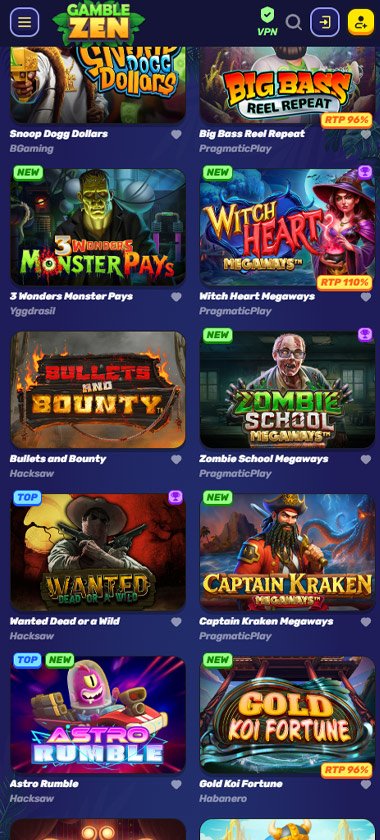
Beyond gaming, many people now turn to mobile platforms for casual entertainment. If you’re looking for a different kind of social experience, you might try Gamblezen Casino Uk, which blends community chat with real‑time betting.
Challenges and Privacy Concerns
Fast matchmaking and shared data raise privacy issues. In 2024, a study by the Digital Privacy Institute found that 18 % of mobile gamers were unaware of the data shared during matchmaking. Developers are responding with clearer consent prompts, but users must stay vigilant.
What This Means for the Future
Mobile gaming’s social evolution is already measurable: friend lists in games now often exceed 200 contacts, and in‑game voice chats are used by 35 % of players during matches. As 5G rollout continues, latency will drop below 20 ms for most titles, making the experience almost indistinguishable from console multiplayer. The next step could be augmented reality overlays, where players see each other’s avatars in real‑world spaces.
Conclusion
By 2026, mobile games will no longer be solitary pastimes. They are becoming the new meeting rooms, marketplaces, and social clubs—shifting the rhythm of how we interact, play, and build communities, all from the convenience of a phone screen.
Frequently Asked Questions
How much time do people spend on mobile multiplayer games daily?
By 2026, the average smartphone user will spend over 70 minutes daily on multiplayer mobile titles.
What technology reduces matchmaking wait times?
Modern matchmaking algorithms can match players within 3 seconds of tapping “Play,” cutting queue times dramatically.
Does mobile gaming replace face‑to‑face chats?
It’s reshaping connections, with some conversations moving to real‑time co‑play, but it complements rather than fully replaces in‑person chats.